








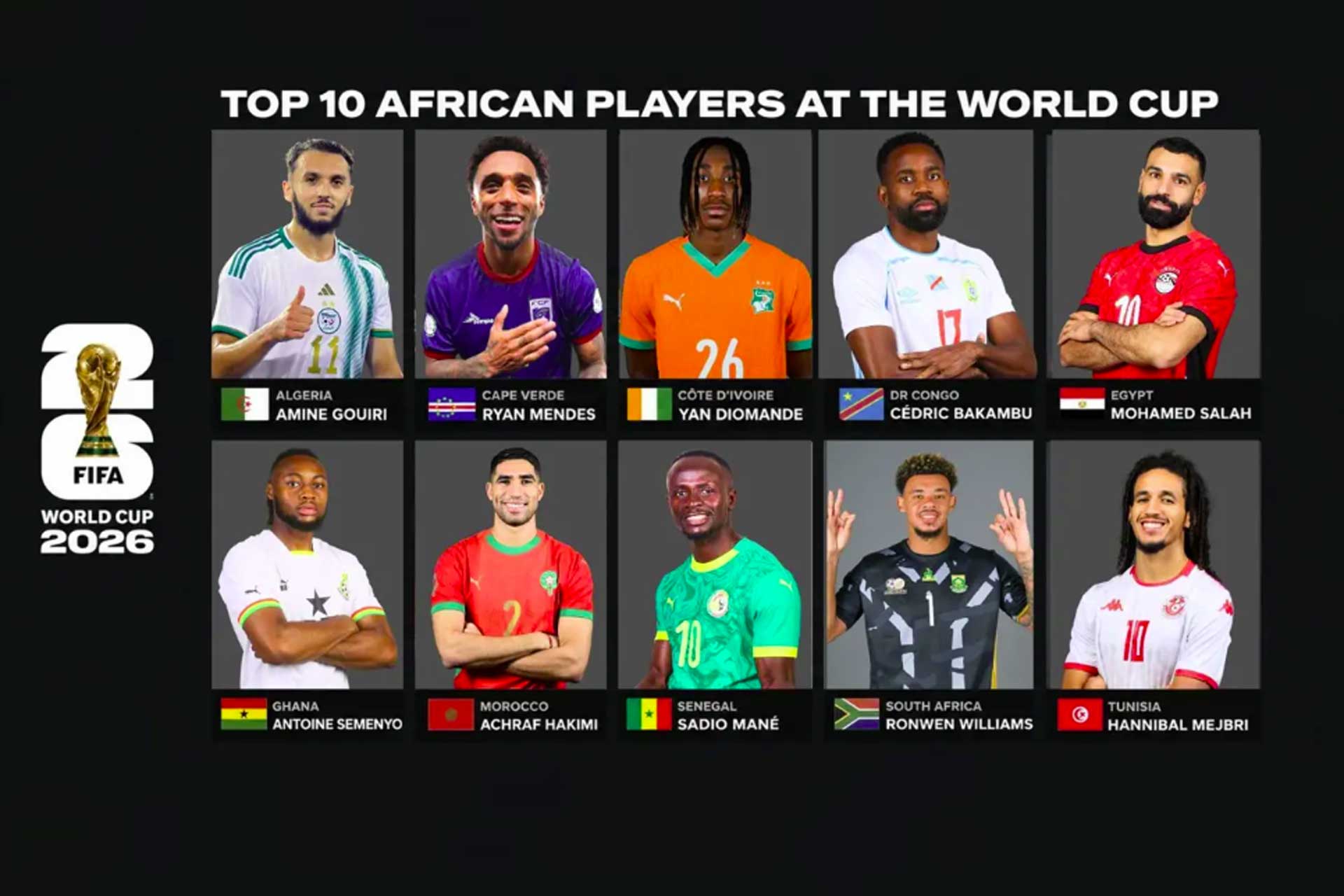
The Narrative Has Already Shifted
Rewind to 2010. Ghana was one penalty kick away from the World Cup semi-finals. The narrative then was “almost.”
Fast forward to 2022. Morocco actually did it. First African nation to reach a semi-final. Beat Belgium, Spain, and Portugal along the way.
That was not a miracle. It was a warning shot.
For decades, African teams were framed as “talented but undisciplined” or “athletic but tactically naive.” Morocco shattered both stereotypes. They were organized. They were resilient. They belonged.
Now, as the world counts down to the expanded 48-team World Cup in 2026 (hosted by USA, Canada, and Mexico), the narrative has quietly shifted. African players and those of African descent are no longer supporting acts. They are becoming the headliners.
This article explores the untold influence of African talent on the 2026 World Cup—not just the players, but the marketing power, the diaspora identity stories, and the commercial reality that brands can no longer ignore.
Part 1: The Numbers That Explain Everything
| Metric | 2018 World Cup | 2022 World Cup | 2026 Projection |
|---|---|---|---|
| African teams qualified | 5 | 5 | 9 (expanded tournament) |
| African players in top 5 European leagues | ~350 | ~450 | 600+ |
| African players in UCL quarter-finals (2025-26 season) | ~15 | ~25 | 35+ |
| Diaspora players choosing African nations over European | Rare | Growing | Accelerating |
The expanded tournament alone changes everything. Nine African teams means more representation, more group stage upsets, and a higher probability of another deep run. But the real shift is deeper.
Part 2: The Players Who Will Define 2026 – Not Just Names, But Narratives
Instead of a dry list, here is how African talent will drive specific storylines that global media and fans will consume.
Narrative 1: The Reigning African King

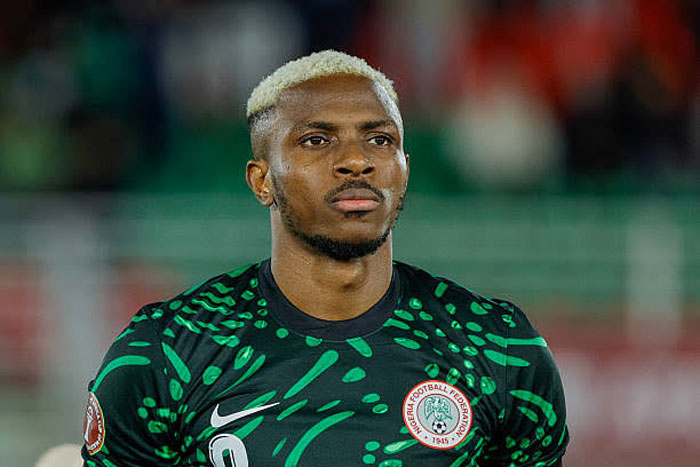
Victor Osimhen (Nigeria) – 2025 CAF Player of the Year. By 2026, he will be 27, entering his prime, and likely at a global superclub (PSG or Chelsea). He is not just Nigeria’s best player. He is the face of a generation of African strikers who no longer need European validation.
The 2026 question: Can Osimhen carry Nigeria past the quarter-finals for the first time? If he does, the Ballon d’Or conversation shifts permanently.
Narrative 2: The Last Dance of a Legend

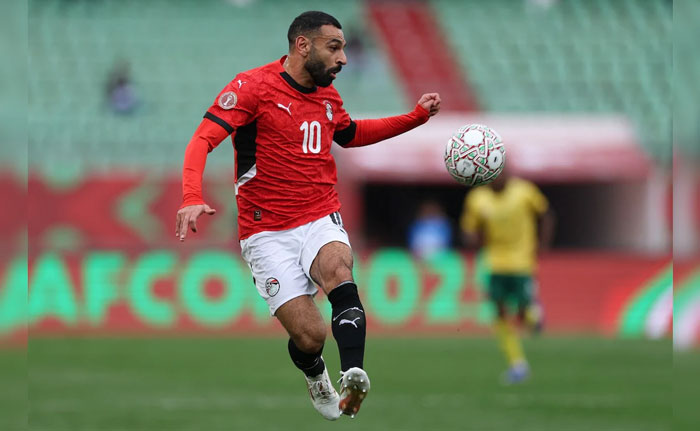
Mohamed Salah (Egypt) – He will be 34 in 2026. Likely his final World Cup. He has won everything except this. Egypt’s golden generation is aging. Salah’s legacy is secure, but a deep World Cup run would cement him as Africa’s greatest.
The 2026 question: Does Salah have one more magical tournament in him, or will Egypt’s reliance on him finally catch up?
Narrative 3: Morocco’s Repeat or Regression?

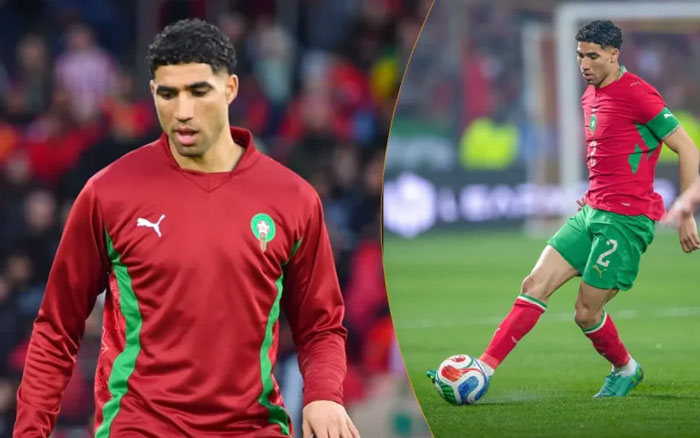
Achraf Hakimi (Morocco) – Now the captain. The only player from the 2022 squad who is indisputably world-class at his position. Morocco has the same coach (Walid Regragui), the same system, and added young talent. But the element of surprise is gone.
The 2026 question: Was 2022 a one-time perfect storm, or did Morocco build a sustainable model that other African nations can copy?
Narrative 4: The Diaspora Choosing Home
This is the most underreported story. A growing number of players born and trained in Europe are choosing to represent their African heritage nations.
| Player | Born In | Chose | Impact |
|---|---|---|---|
| Jeremie Frimpong | Netherlands | Ghana (2025) | One of Europe’s best attacking fullbacks |
| Bryan Mbeumo | France | Cameroon | Premier League consistent scorer |
| Mohamed Simakan | France | Guinea | Elite defender available for 2026 |
| Nico Williams | Spain | Spain (but Ghanaian parents) | His success is celebrated across both continents |
The 2026 question: Will we see a team like Ghana or Cameroon, powered by diaspora talent, make an unexpected run? And how will European media frame players who “rejected” European nations for African ones?
Narrative 5: The Teenagers Ready to Explode
| Player | Nation | Age (2026) | Club | Why He Matters |
|---|---|---|---|---|
| Lamine Yamal | Spain (Moroccan descent) | 19 | Barcelona | Already a global star; diaspora pride |
| Mathys Tel | France (Cameroonian descent) | 21 | Bayern Munich | Future superstar |
| Ernest Nuamah | Ghana | 22 | Lyon | Ghana’s next generational talent |
| Bilal El Khannouss | Morocco | 22 | Genk | Morocco’s creative future |
These players will be marketed as “global” stars, but African fans and media will rightfully claim their heritage.
Part 3: The Marketing Reality – Why Brands Are Finally Paying Attention
For years, global brands treated African football as a “charity case” or a “future opportunity.” That has changed.
What Morocco 2022 Proved to Sponsors
Morocco’s semi-final run generated:
- Over $200 million in brand exposure value for team sponsors
- A 450% increase in jersey sales for the Moroccan national team
- Record viewership in Arab and African markets
Brands realized: African teams can deliver global reach, not just regional.
Which Brands Are Betting on African Talent for 2026
| Brand | Investment | Why It Matters |
|---|---|---|
| Visa | Official FIFA partner; Africa-focused campaigns | Betting on expanded tournament reaching new audiences |
| Coca-Cola | Long-term FIFA sponsor; featuring African players in global ads | Normalizing African stars as global faces |
| Puma | Sponsors Morocco, Ghana, Ivory Coast, and others | Deep portfolio of African teams |
| MTN | Major African football sponsor | Leveraging football for continental brand loyalty |
| BetKing | Nigerian betting giant expanding globally | African brand going global through football |
The Diaspora Marketing Angle
Nico Williams (Spain/Ghana) and Lamine Yamal (Spain/Morocco) are marketing gold. They appeal to:
- European audiences (they play in top leagues)
- African audiences (heritage pride)
- Spanish audiences (national team success)
Expect both to feature prominently in 2026 advertising campaigns.
Part 4: Beyond 2026 – The Longer Game
The 2026 World Cup is not the peak. It is the launchpad.
2030 World Cup
The centenary World Cup will likely be hosted by Morocco, Spain, and Portugal (the leading bid). If that happens, an African nation will host World Cup matches for the first time since South Africa 2010. The narrative will shift from “African participation” to “African leadership.”
The Next Generation
The current stars (Osimhen, Salah, Hakimi) will be gone or aging by 2030. But the players inspired by Morocco’s 2022 run are currently 10-14 years old. They are in academies across Africa and Europe. They will be the 2030 and 2034 stars.
When Will Africa Win?
Honest answer: Not 2026. Likely not 2030. But the question is no longer “if.” It is “when.” And the answer depends on:
- Continued development of domestic leagues and academies
- Diaspora recruitment strategies
- Coaching and tactical evolution
Morocco 2022 proved the ceiling exists. Now, others need to reach it.
Part 5: What to Watch For in 2026 – A Spectator’s Guide
| Narrative | Why It Matters | What It Will Sound Like in Media |
|---|---|---|
| Senegal’s golden generation | Mané, Koulibaly, Mendy – all aging. Last chance. | “Can Senegal finish what Morocco started?” |
| Nigeria’s talent vs. organization | Osimhen leads the most talented squad. But can they be coached into a team? | “Africa’s Brazil – beautiful but fragile.” |
| Egypt’s reliance on Salah | Salah is 34. Who else steps up? | “One man’s burden.” |
| Ghana’s diaspora revolution | Frimpong, Williams brothers (if they commit). High ceiling, low floor. | “The sleeping giant awakens?” |
| Cameroon’s unpredictability | Onana in goal, Mbeumo in attack. But Cameroon is always chaotic. | “Which Cameroon will show up?” |
| Morocco’s repeat pressure | Can they handle being favorites, not underdogs? | “The weight of history.” |
The Quiet Shift No One Is Talking About
The 2026 World Cup will be the first where African players and narratives are not framed as “surprises” or “cinderella stories.” They will be framed as contenders.
- Nine teams instead of five.
- Players like Osimhen and Salah in global MVP conversations before the tournament starts.
- Diaspora stars choosing African nations as a first choice, not a fallback.
- Brands spending real money on African football marketing.
Morocco 2022 was not a miracle. It was a proof of concept.
Now, the world watches to see who builds on it.
Who is your African player to watch in 2026? Do you think an African team can reach the semi-finals again? Share your predictions below.
Ready for more World Cup analysis? Check out:


1 Comment
Pingback: AI in Football: Inside the FIFA World Cup 2026