









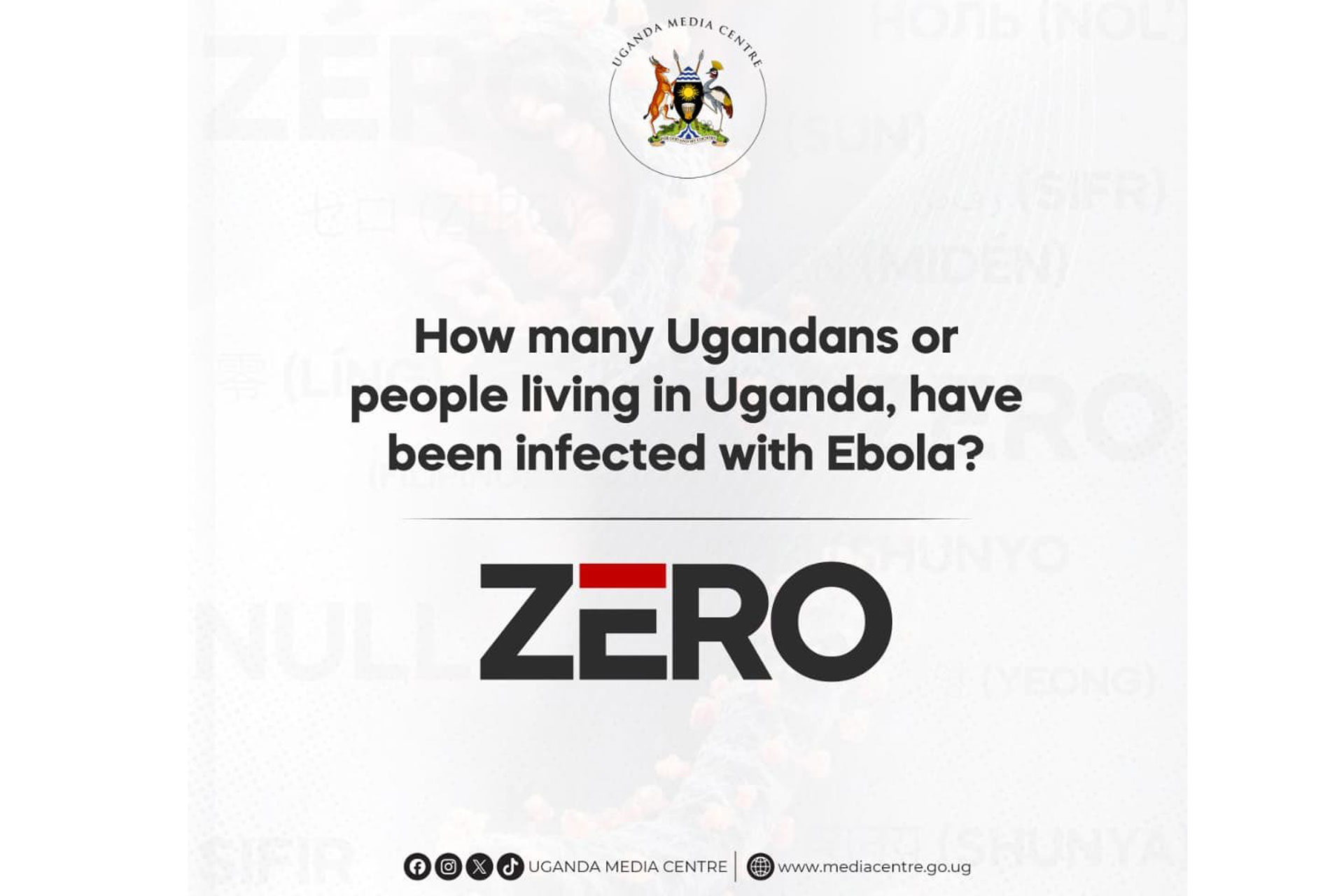
Official update on Uganda’s Ebola status and why visitors should book their safari with confidence
The headlines may have caused concern. The news about an Ebola outbreak in neighboring Democratic Republic of Congo has spread quickly across international media. But here is the truth that every traveler needs to know:
Uganda is Ebola free. There is no active outbreak within its borders. And there has never been a better time to visit the Pearl of Africa.
The Facts: What Is Actually Happening
Outbreak Location: DRC, Not Uganda
On May 15, 2026, the Democratic Republic of Congo confirmed an outbreak of Ebola Bundibugyo Virus Disease in Ituri Province, eastern DRC. This is approximately 150 kilometers from Uganda’s border.
Here is what you need to know:
| Fact | Detail |
|---|---|
| Outbreak location | Ituri Province, Democratic Republic of Congo |
| Distance from Uganda | ~150 km (separate country, separate borders) |
| Confirmed cases in Uganda | ZERO |
| Active cases in Uganda | ZERO |
| Travel restrictions | NONE |
| Border status | Open and monitored |
Uganda’s Response: Vigilance, Not Crisis
The Ugandan government, through the Ministry of Health, has implemented standard enhanced surveillance at points of entry. This is routine public health practice—not panic, not emergency, and certainly not a reason to cancel travel plans.
The World Health Organization declared the outbreak a Public Health Emergency of International Concern on May 17, 2026. This declaration applies to the DRC outbreak specifically. Uganda is mentioned only in the context of cross-border preparedness—not because there is any active threat within the country.
Official Statement: Uganda is Safe for Tourists
Ministry of Health Confirmation
The Uganda Ministry of Health has confirmed that there are no confirmed or suspected cases of Ebola within Uganda. The two previously mentioned cases were linked to travelers from the DRC and were immediately isolated, treated, and the situation contained.
All contacts have been traced, monitored, and cleared. The country’s robust surveillance systems, testing capabilities at the Uganda Virus Research Institute, and experienced health workforce have proven effective at preventing any local transmission.
Message from Uganda Tourism Board
The Uganda Tourism Board has issued the following statement to international partners and travelers:
“Uganda remains a safe and welcoming destination for all visitors. The recent Ebola outbreak is contained within the Democratic Republic of Congo, approximately 150 kilometers from Uganda’s border. Our national parks, wildlife reserves, and tourist attractions remain fully operational. There are no travel restrictions, no quarantine requirements, and no health advisories against travel to Uganda.”
Why Uganda Tourism Is Unaffected
Geographic Reality
Uganda is a large country. The closest point of the DRC outbreak to Uganda is the remote border area of Bundibugyo District (named for the 2007 outbreak). The vast majority of Uganda’s tourism attractions are located hundreds of kilometers away from this area.
| Tourist Destination | Distance from Outbreak Area |
|---|---|
| Entebbe International Airport | ~400 km |
| Bwindi Impenetrable National Park (Gorillas) | ~350 km |
| Queen Elizabeth National Park | ~250 km |
| Murchison Falls National Park | ~500 km |
| Jinja (Source of the Nile) | ~600 km |
| Kidepo Valley National Park | ~700 km |
| Lake Mburo National Park | ~450 km |
As the table above shows, your safari experience will take place nowhere near the border area where enhanced surveillance is focused.
Ebola Does Not Spread Easily
Unlike COVID-19, Ebola is not airborne. Transmission requires direct contact with the bodily fluids of an infected person who is already showing symptoms. This makes the virus significantly easier to contain than respiratory illnesses.
For a tourist, the risk of Ebola infection is essentially zero unless you are:
- Working in a healthcare setting treating Ebola patients
- Participating in traditional burial practices in affected communities
- Living in close quarters with an actively symptomatic person
None of these scenarios apply to tourists visiting national parks, lodges, or hotels.

What Tourism Operators Are Saying
Industry Confidence Remains High
Uganda’s tourism industry has learned from previous outbreaks. The 2022 Ebola outbreak (different strain, also contained) saw a sharp drop in tourist arrivals—not because of actual risk, but because of fear and misinformation.
This time, operators are proactively communicating with partners:
| Operator Type | Response |
|---|---|
| Tour operators | Booking inquiries continue normally; providing factual updates to clients |
| Lodges and hotels | Operating at normal capacity; no cancellations attributed to Ebola news |
| International agents | Most recognize the outbreak is in DRC, not Uganda |
| Airlines | No schedule changes; Entebbe airport operating normally |
Real Testimonies from the Ground
“We have had zero cancellations related to the DRC outbreak. Our clients understand the difference between DRC and Uganda and trust the health systems in place.”
— Local tour operator, Kampala
“Gorilla trekking permits are still selling. Tourists are asking questions, which is responsible, but they are not canceling.”
— Lodge manager, Bwindi region
How Uganda Is Protecting Visitors
Health Screening at Entebbe Airport
All arriving and departing passengers at Entebbe International Airport pass through routine health screening. This includes:
- Temperature checks
- Visual observation for symptoms
- Health declaration forms
These measures are standard practice and have been in place for years. They are designed to protect both visitors and residents.
Surveillance at National Parks
Tourist areas have additional health protocols:
| Measure | Where |
|---|---|
| First aid stations | All major national parks |
| Ranger training | Basic health screening and referral |
| Evacuation plans | Medical evacuation to designated facilities |
| Lodge protocols | Staff trained in hygiene and symptom recognition |
Regional Coordination
Uganda is working closely with the East African Community, WHO, and Africa CDC to maintain regional surveillance. The Uganda Virus Research Institute serves as the EAC Regional Centre of Excellence, providing testing and coordination for the entire region.
This means Uganda is not just protecting itself—it is protecting the entire East African tourism corridor.
What International Health Authorities Say
World Health Organization (WHO)
The WHO’s Public Health Emergency declaration applies to the DRC outbreak. Regarding Uganda, the WHO has:
- Commended Uganda’s preparedness and response capacity
- Not issued any travel or trade restrictions
- Continued to list Uganda as a safe destination
US Centers for Disease Control and Prevention (CDC)
As of May 2026, the US CDC maintains a Level 1 (Watch) for the DRC outbreak. For Uganda, the travel advisory remains at its normal level, with no additional Ebola-specific warnings.
UK Foreign Office
The UK Foreign, Commonwealth and Development Office has not changed its travel advice for Uganda. The standard advice to check health entry requirements remains in place—as it does for every country.
Addressing Common Tourist Fears
“Is it safe to fly through Entebbe?”
Yes. Entebbe International Airport is operating normally. Health screening is routine and non-intrusive. There are no quarantine requirements for arriving passengers.
“Could I catch Ebola on safari?”
No. Ebola transmission requires direct contact with an actively symptomatic person’s bodily fluids. You will not encounter this situation on a game drive, gorilla trek, boat cruise, or lodge stay.
“What if someone on my flight is sick?”
Airlines follow IATA health guidelines. Crew are trained to identify and isolate symptomatic passengers. Entebbe Airport has isolation facilities and rapid testing capabilities.
“Should I postpone my trip?”
No. There is no public health or safety reason to postpone travel to Uganda. Your safari experience will be exactly as you planned—with the added benefit of fewer crowds in some areas.
The Economic Impact of Fear
Tourism is Uganda’s Economic Lifeline
Tourism is one of Uganda’s top foreign exchange earners. The sector:
- Contributes approximately 7-8 percent of GDP
- Employs over 600,000 Ugandans directly and indirectly
- Supports local communities around national parks
- Funds conservation efforts protecting gorillas, chimpanzees, and other wildlife
When tourists cancel trips based on misinformation, real people suffer. Lodge workers lose income. Guides miss work. Conservation programs lose funding. Communities that depend on tourism revenue face hardship.
The 2022 Lesson
During the 2022 Ebola outbreak (Zaire strain, also contained quickly), Uganda lost an estimated $50 million in tourism revenue—not because of actual risk, but because of perceived risk. Hotels and lodges reported cancellation rates of 30-50 percent.
This time, the industry is determined to prevent the same economic damage—especially when the outbreak is not even inside Uganda.
What You Can Do as a Responsible Traveler
Before You Book
| Action | Why |
|---|---|
| Check official sources | WHO, CDC, Uganda Ministry of Health |
| Ask your tour operator | Reputable operators will give honest updates |
| Book travel insurance | Always recommended for international travel |
| Get regular updates | Subscribe to Uganda Tourism Board alerts |
During Your Stay
| Action | Why |
|---|---|
| Follow standard hygiene | Wash hands, use sanitizer (good practice anywhere) |
| Listen to your guide | Guides are trained in health and safety |
| Report any illness | Normal courtesy when traveling anywhere |
| Enjoy your safari | You are here to see gorillas, not worry about headlines |
Final Verdict: Book Your Trip with Confidence
| Question | Answer |
|---|---|
| Is Uganda Ebola free? | YES |
| Are there active cases? | NO |
| Is the outbreak in Uganda? | NO (it is in DRC, a separate country) |
| Are there travel restrictions? | NO |
| Is it safe to visit national parks? | YES |
| Should I cancel my trip? | NO |
What Makes Uganda Worth Visiting
While we are setting the record straight on Ebola, let us also remember why Uganda is called the Pearl of Africa:
- Mountain gorillas – Half of the world’s remaining mountain gorillas live in Bwindi Impenetrable National Park. A gorilla trek is a life-changing experience.
- Tree-climbing lions – Ishasha sector in Queen Elizabeth National Park is one of the only places on earth where lions regularly climb fig trees.
- Source of the Nile – Jinja offers white-water rafting, kayaking, and boat trips to the exact point where the Nile begins its 6,650-kilometer journey.
- Chimpanzee trekking – Kibale National Park has the highest density of primates in Africa.
- Bird watching – Over 1,000 bird species recorded, including the rare shoebill stork.
- Cultural experiences – From the Batwa pygmies to the Kingdom of Buganda, Uganda’s cultural diversity is extraordinary.
- The friendliest people – Uganda has been voted one of the friendliest countries for tourists multiple times.
Do not let fear of a disease that is not in Uganda rob you of these experiences.
Share the Truth
If you found this article helpful, share it with anyone considering travel to Uganda. The tourism industry needs accurate information to overcome fear-based cancellations.
Uganda is Ebola free. Uganda is safe. Uganda is waiting to welcome you.
Planning a trip to Uganda? Have questions about health and safety? Ask in the comments below, and we will connect you with verified tour operators and official sources.
Book your safari. Track gorillas. See the Nile. You will be glad you came.


2 Comments
Pingback: Uganda Suspends DRC Flights as Ebola Prevention Measures Intensify - Waitu Intelligence
Thanx for this